India Opens Its Dairy Market to the U.S., Potentially Causing Annual Losses of Over 1.03 Trillion Rupees for Its Dairy Farmers
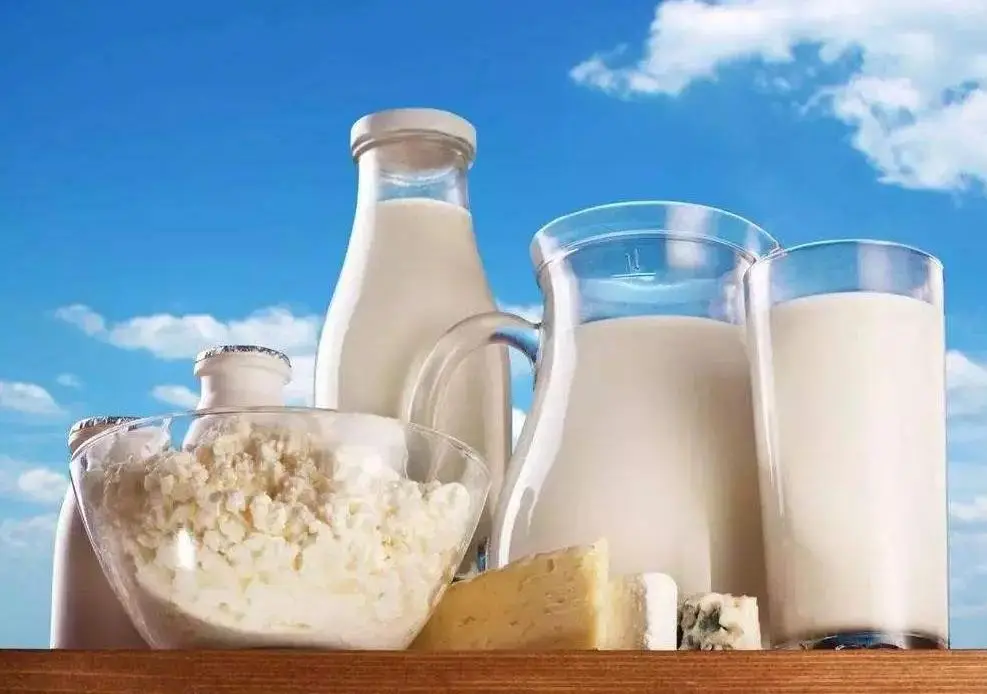
A latest report from the State Bank of India (SBI) points out that dairy products are a core point of disagreement in India-U.S. trade negotiations. Although opening up the dairy market can promote broader economic cooperation with the U.S., the adverse impact on tens of millions of Indian farmers cannot be ignored. If India opens its dairy market to the U.S., it will lead to a surge in India's annual milk imports by 25 million tons, and the potential annual losses for domestic dairy farmers may reach 1.03 trillion rupees (approximately 11.99 billion U.S. dollars). The SBI warns that U.S. dairy products, which are heavily subsidized, will also cause a drop in India's milk prices by at least 15%, directly affecting the livelihoods of nearly 80 million practitioners. It is reported that the dairy industry plays an important role in India's agricultural economy, contributing about 2.5% to 3% to the country's total gross value added (equivalent to 7.5 to 9 trillion rupees).
The report also notes that India may gain benefits if it strengthens trade ties with the U.S. in other areas. Among them, India's exports of high-value agricultural products such as organic foods and spices to the U.S. are less than 1 billion U.S. dollars, but the export potential exceeds 3 billion U.S. dollars; if the U.S. lifts its Sanitary and Phytosanitary (SPS) bans, India's exports of fruits and vegetables such as mangoes, lychees, bananas, and okra to the U.S. are expected to expand. In addition, the elimination of non-tariff barriers could increase India's exports of Ayurveda products (which typically include herbal medicines, plant extracts, essential oils, nutritional supplements, and natural skin care products, etc.) and generic drugs to the U.S. by 1 billion to 2 billion U.S. dollars; visa facilitation, investment in cold chain construction, and price reductions for agricultural machinery will also bring other benefits.
 Consultation Hotline:
008619853132542
Consultation Hotline:
008619853132542
 First class service
 Transparent pricing
 Abide by reputation