In July, Chongqing is scorching under the blazing sun, with persistent high-temperature droughts of over 40℃ baking the land. However, in the corn experimental field in Lüfeng Town, Tongliang District, the "Yudan 901" corn plants stand tall, with heavy ears filled with plump grains. From July 14 to 16, expert groups from China's corn industry went deep into experimental and demonstration bases in Tongliang, Rongchang, Wulong and other places to conduct field investigations and appraisals on the projects "Excavation and Utilization of Green, High-Quality and Stress-Resistant Germplasm Resources for Corn in Southwest Mountainous Areas" and "Collection of High-Quality Corn Resources and Variety Experiment Demonstration" implemented by Chongqing Academy of Agricultural Sciences.
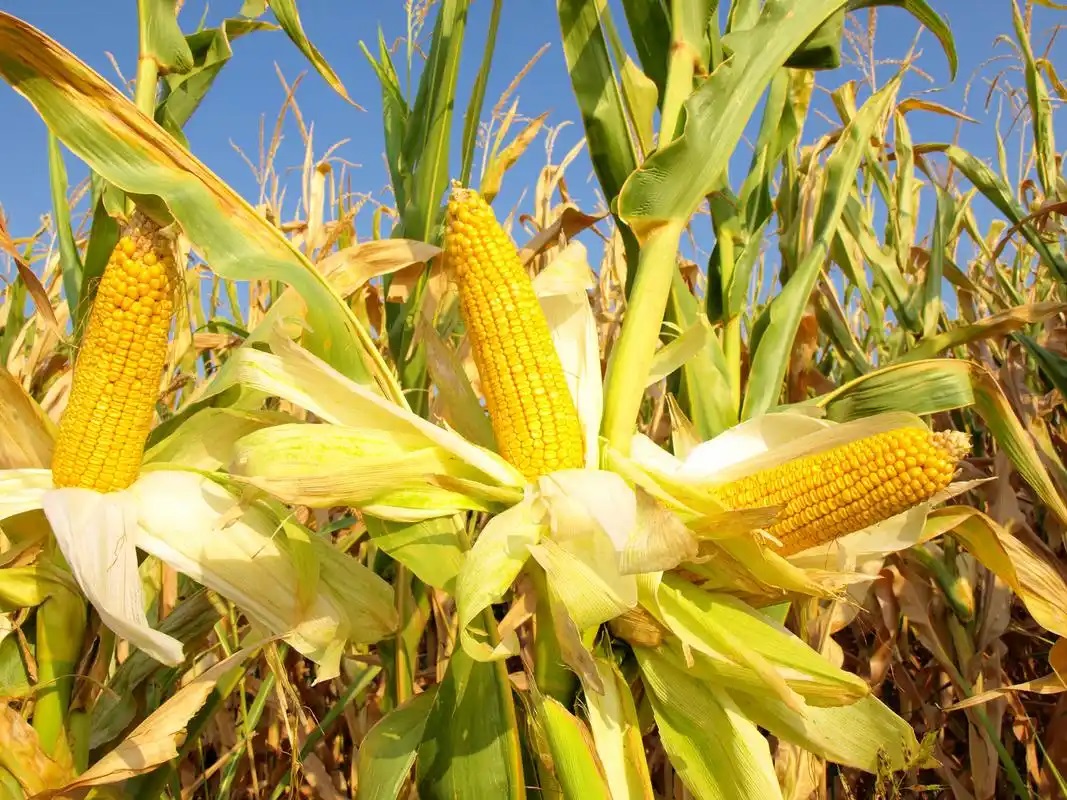
When the yield measurement results were announced that the average per mu yield of grains in the 100-mu demonstration plot of "Yudan 901" corn in Canggou Township, Wulong District reached 563.1 kg, an increase of 11.9% compared with the control variety; and the average per mu fresh weight of the whole plant biological yield in the 100-mu demonstration plot of "Yudan 122" silage corn was 4054 kg, an increase of 15.13% compared with the control variety in a larger area, a "breeding breakthrough battle" using science and technology to solve the predicament of the corn industry in southwest mountainous areas is ushering in a key result inspection. Among them, the new silage corn variety, with "ton-level dry matter yield + high-quality forage performance", has 开出 a "precision prescription" for Chongqing's animal husbandry feed gap.
Supply-demand gap and multiple predicaments: forcing a breakthrough in breeding technology
Chongqing, as a special municipality integrating the characteristics of a big city and a large rural area, has an annual corn sowing area of about 6.5 million mu and an annual output of about 2.5 million tons of grain corn. However, it faces a rigid demand of 3.5 million tons per year, and the gap of more than 1 million tons directly affects livestock breeding and people's meat, egg and milk tables. "Corn is the 'absolute main force' of livestock feed, and stable production and supply are related to the foundation of people's livelihood." Yang Hua, a researcher at the Institute of Corn and Characteristic Crops, Chongqing Academy of Agricultural Sciences, said frankly.
Corn planting in southwest mountainous areas is faced with multiple adversities: frequent extreme high temperatures in summer, which often lead to poor pollination, reduced production or even total crop failure of corn; diseases and insect pests such as sheath blight, northern leaf blight, southern leaf blight and ear rot attack in turn, eroding yield and quality; backward breeding technology, scarcity of special varieties, and the need for "dual-purpose grain and forage" versatile varieties for scattered breeding in mountainous areas... To solve the pain points of the industry, there is only one way: scientific and technological breeding.
Germplasm innovation and variety breakthrough: building a "gene bank" and "variety army" for stress-resistant breeding
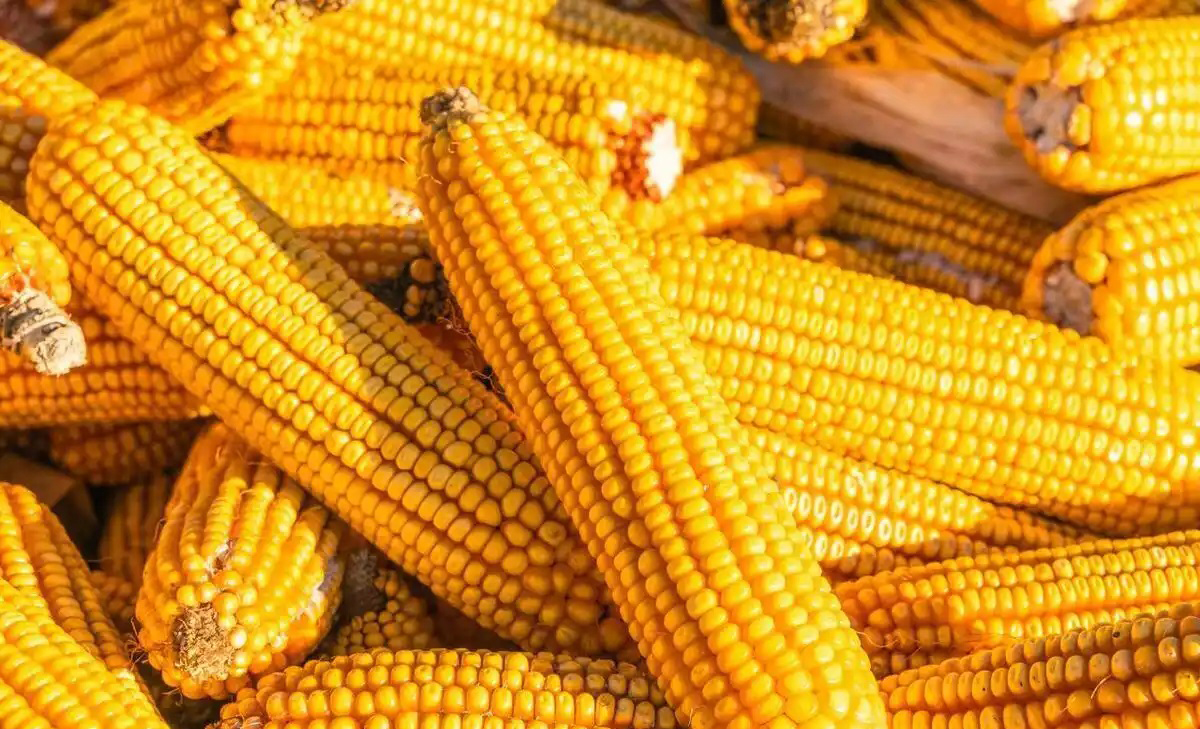
On the Chongqing corn germplasm resource database platform, you can query more than 30,000 pieces of data such as the biological characteristics, disease resistance and heat resistance indexes of corn materials by entering the number - this is the "stress-resistant gene bank" built by Chongqing breeders.
To fill this "treasure house", the scientific research team introduced 1,260 high-quality, disease-resistant and stress-resistant germplasm resources from home and abroad, covering tropical, subtropical and other ecological materials. On this basis, a "double precision platform" was established: 2 precision identification platforms for heat-resistant and disease-resistant resources were jointly built, with "five nurseries for disease resistance identification" for diseases, and a "high temperature resistance identification platform" using the natural conditions of high temperature and drought in summer in Chongqing; The technical system of heat resistance index for spring and summer sowing was innovated. By comparing the number of tassel spikelets, pollen viability, silk extrusion rate and other indexes of corn in different sowing periods, heat-resistant gene resources were explored, and the relevant results have obtained invention patents. What's more encouraging is that the related research result "The relationship between tassel size and heat resistance of corn" was published in Nature Climate Change, providing new ideas for corn breeding in high-temperature areas around the world.
"Under high temperature, the amount of tassel pollen and the silk extrusion rate of ears are the 'life and death line'!" Yang Hua squatted in the experimental field, 拨开 the tassel of a Yudan 901 plant and explained, "We screened key indicators such as the threshold of 'tassel spikelets ≥ 700 under high temperature', and'screened' 870 materials, and finally selected 25 materials with high temperature resistance of 35℃ during flowering period and 45 heat-resistant DH lines, 6 of which showed'superior' performance and became 'potential stocks' for breeding." On the basis of germplasm innovation, varieties such as "Yudan series" show their strengths in different scenarios. In the Tongliang experimental field, Yudan 901, Yudan 59, Yudan 821, Ainuo 7 and other varieties are growing well; In Canggou Township, Wulong, the silage corn Yudan 122 has become a "key piece" to solve the feed gap with "ton-level dry matter yield + high-quality forage performance".
Yang Hua introduced that Yudan 122 can be called an "all-round player" in the corn world: when used as grain corn, the per mu yield is 753 kg, and the crude protein content is 8.99%; After being transformed into silage corn, the dry matter yield per mu exceeds 1.2 tons, and the crude protein content of the whole plant reaches 9.1% (far exceeding the industry average of 7% - 8%). More importantly, its stem quality is excellent, which can withstand the strong wind and heavy rain in Chongqing summer (lodging resistance), and can resist northern leaf blight and stalk rot, saving breeding enterprises more than 200 yuan per mu in feed costs.
"Previously, silage corn either had low yield or poor disease resistance, and would 'rot in the cellar' once encountering high temperature and drought." Xiong Xiaokui, a large cattle farmer in Xiaoyan Village, Tudi Township, Wulong District, who led 180 farmers to plant 300 mu of Yudan 122 silage corn, said with emotion, "Last year, under high temperature, the dry matter yield per mu was still stable at 1.2 tons. After silage, the feed had a strong aroma and good palatability. The daily weight gain of beef cattle increased by 0.3 kg after eating, and the slaughter time was advanced by 15 days, driving the average household income in the village to increase by 12,000 yuan!"
In addition, diversified varieties cover the entire chain and accurately fill the gap: Yudan 59 has a bulk density of 754 g/liter, exceeding the national first-class high-quality corn standard, with outstanding stable yield under high temperature. In the national regional test, the average yield per mu in two years was 574.2 kg, an increase of 12.1% compared with the control, and it has been promoted in many provinces and regions in southwest China, becoming a veritable high bulk density hard golden corn; Ainuo 7 and Keduo 4 have quality scores exceeding 86 points, reaching the ministerial second-class standard, with strong resistance to ear rot and sheath blight, and the fresh ear yield per mu exceeds 800 kg. They have become market favorites as the "sweet and waxy leaders" for fresh food.
Implementation, promotion and continuous 攻坚: consolidating the southwest granary and the foundation of prosperity
"In the past, choosing seeds depended on 'luck', but now the 'Yudan series' are directly delivered to the door, and there are technicians to teach how to plant silage!" Jiang Wenjie, a grower in Shimen Village, Shima Town, Dazu District, said with a smile. He transferred 200 mu of land, half of which was planted with Yudan 901 (grain corn) and half with Yudan 122 (silage corn). "In high temperature years, Yudan 901 yields more than 500 kg per mu, Yudan 122 has a dry matter yield of more than 1 ton per mu, and selling silage to pastures can earn 100 yuan more per ton. In a year, I can earn 50,000 yuan more!"
Behind this is the "scientific research + enterprise + farmer" industrial chain built in Chongqing: led by the Municipal Academy of Agricultural Sciences, joint seed enterprises and promotion departments have built 100-mu demonstration plots in Dianjiang, Fuling and other places; explored localized seed production, the Yqing 385 yield per mu in the Dasheng Town base in Yubei District is 300 kg, the cost is reduced by 10% - 20%, and the seed germination rate exceeds 95%.
Up to now, new corn varieties in Chongqing have been promoted in the southwest spring corn area and the Huang-Huai-Hai region, covering 1.083 million mu, among which the silage corn Yudan 122 has been promoted over 300,000 mu, with a total production of more than 360,000 tons of high-quality silage feed dry matter, which can meet the annual silage demand of 100,000 beef cattle, directly driving the animal husbandry to increase efficiency by more than 120 million yuan.
The "relay race" of breeding is still accelerating. In the Tongliang breeding base, 6 breeding populations such as Yure Qun 1 and Yup Qun 4 are growing vigorously. After the expert group's inspection, they commented: "The group establishment goal is clear, the chain hybridization method is reliable, and the genetic variation is rich, which has accumulated sufficient momentum for 'super corn' breeding!" The expert group agreed that more than 10 breeding materials selected have excellent field performance, and some heat and drought resistant breeding materials have reached the domestic leading level; the demonstration varieties have good large-scale production performance, significant yield increase and outstanding demonstration effect.
A "new track" has been opened: using haploid induction and molecular marker-assisted breeding technology to accelerate germplasm innovation, and cooperating with enterprises to promote the application of biological breeding. "We want more stress-resistant, high-quality and high-yield 'Chongqing seeds' to take root in the southwest mountainous areas, especially to iterate silage corn varieties, towards the goal of 'dry matter yield per mu of 1.5 tons + crude protein of 10%', and consolidate the foundation of the granary!" Yang Hua said.
In the future, this "breeding breakthrough battle" will continue to inject more "Chongqing strength" into ensuring national food security and the healthy development of animal husbandry.
 Consultation Hotline:
008619853132542
Consultation Hotline:
008619853132542
 First class service
 Transparent pricing
 Abide by reputation