The international garlic market is undergoing a restructuring of supply and demand patterns in 2025. China's output expansion and export policies have become core variables, while increased production in India and Egypt has further intensified competition. This article analyzes from three dimensions: supply and demand, trade, and seasonality:
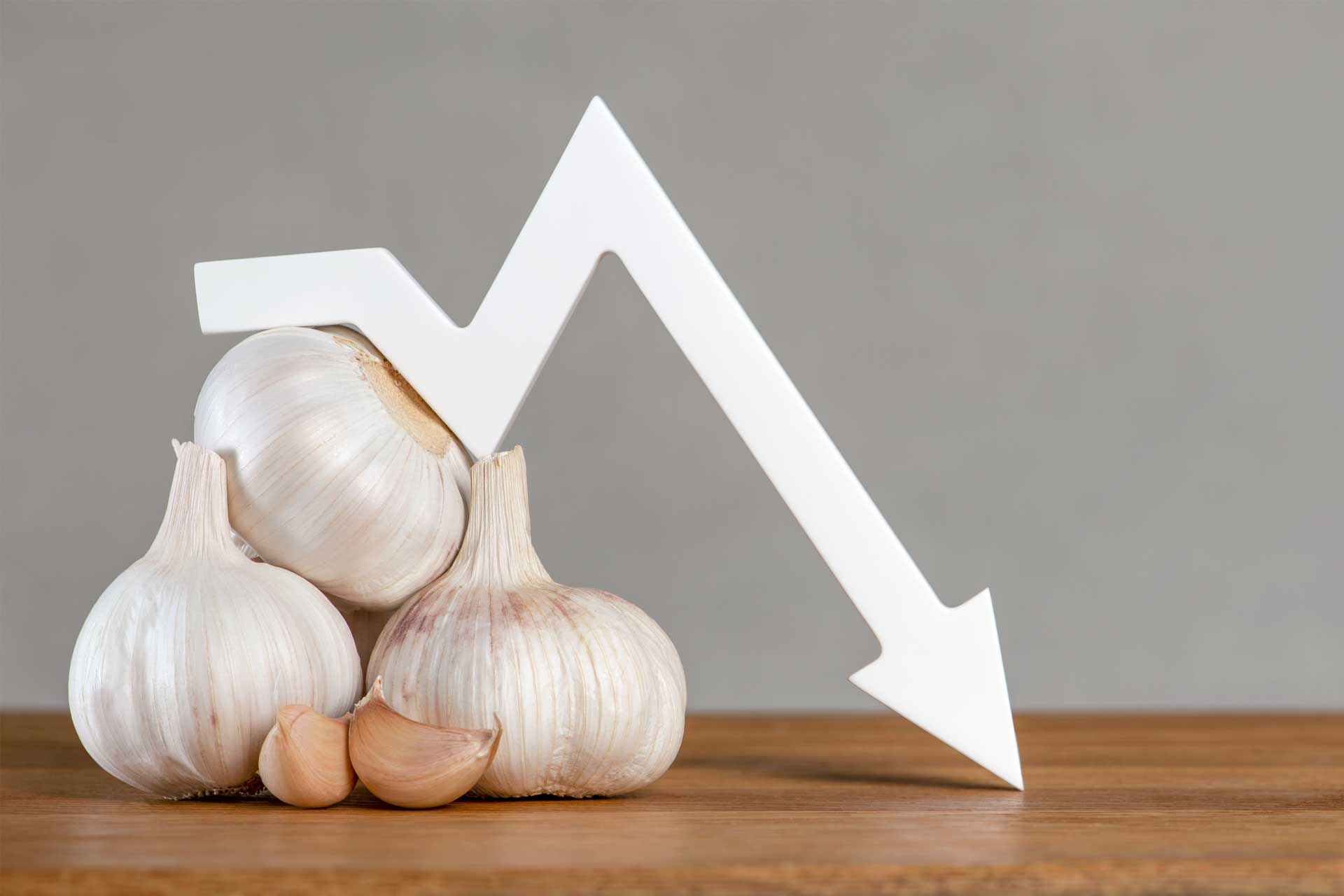
【Supply Side】The global garlic supply is characterized by both capacity expansion and inventory pressure. The planting area in northern China's garlic regions increased by 9.03% year-on-year, with total output reaching a record high of 9.2455 million tons. The yields in Henan and Shandong provinces increased by 12.5%-20%, and coupled with the expansion of garlic planting in Yunnan, the global supply is sufficient. India has expanded its sown area, and Egypt has increased its yield through technological upgrading, leading to a significant risk of oversupply in the international market. It is worth noting that the digestion rate of garlic stocks in China's cold storage has accelerated by 15%, but the total global inventory is still at a high level, suppressing the room for price rebound.
【Demand Side】Export obstacles and consumption differentiation are obvious. China's garlic exports have been hit by both the 376.67% anti-dumping duty in the United States and the improved market access in India. From January to May, export volume decreased by 4.89% year-on-year, the average price fell by 12%, and orders were transferred to Egypt and Spain. Domestic consumption shows structural differences: the slow recovery of the catering industry has suppressed the demand for fresh garlic, but the export of deep-processed products such as garlic flakes and garlic powder has increased against the trend due to cost advantages. On the global consumption side, the replenishment rhythm in Southeast Asia has slowed down, and the EU has made cautious purchases due to high logistics costs, resulting in insufficient demand support.
【Policies and Trade Barriers】International trade policies have exacerbated price fluctuations. Chinese garlic export enterprises are facing a 23% year-on-year increase in technical trade measures, and customs clearance delays have led to the loss of orders. However, under the RCEP framework, the China-Japan-South Korea Free Trade Agreement may open up new channels for the Northeast Asian market, where products with a regional value component of 40% can enjoy zero tariffs. The domestic agricultural insurance pilot has improved garlic farmers' ability to resist risks, but the "double increase" (increase in both output and inventory) year is likely to trigger a psychology of reluctant selling, so it is necessary to guard against the risk of concentrated shipments in producing areas.
【Seasonal Patterns】International garlic prices show significant periodicity: the annual low appears in May when new garlic is on the market, and prices peak in October when inventories are depleted. During the peak period of new garlic storage in China from July to August 2025, the spot price may drop to 2.0-2.5 USD/kg; from September to November, the holiday stockpiling in Europe and the United States may push the price up to 3.0-3.8 USD/kg, but the 上市 of new garlic in the southern hemisphere in December will bring supply pressure.
【Forecasts and Suggestions】It is expected that the central level of international garlic prices will move down by 5%-8% in 2025, and the annual average price will hardly exceed 4.0 USD/kg. It is suggested that export enterprises seize the off-season procurement window in the fourth quarter and use futures tools to hedge exchange rate risks; garlic growers need to optimize the storage structure to avoid concentrated selling. The policy side should closely track the WTO agricultural negotiations and tariff adjustments in major economies to capture structural opportunities. The market is entering a new stage of "trading volume for price", and accurate judgment of the supply and demand rhythm and policy signals will be crucial.
 Consultation Hotline:
008619853132542
Consultation Hotline:
008619853132542
 First class service
 Transparent pricing
 Abide by reputation

